Ask three people what wallpaper installation costs and you will hear three very different answers, and all of them can be right. Two rooms the same size can price very differently, because the work is rarely about square footage alone. It is about the material, the walls, the pattern, and the room.
That is why we scope every project after seeing the space rather than quoting blind. Here is what we look at, and why each factor matters.
1. The material you choose
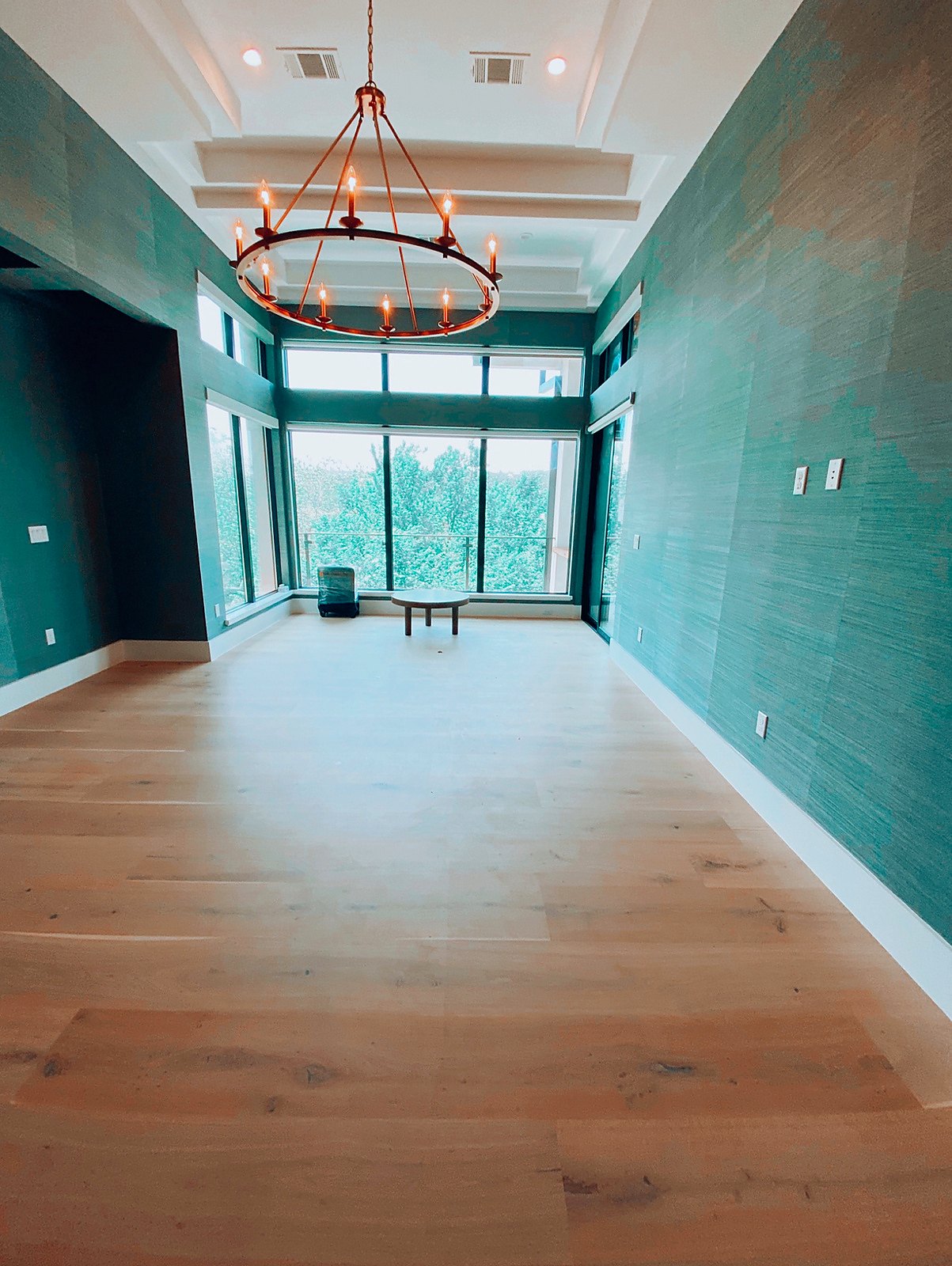
Wallcoverings behave very differently on the wall. A standard printed paper is generally the most forgiving to hang. Heavier or more delicate materials ask for more time and more care: natural fibers like grasscloth, silk, and textured or handmade coverings can mark easily, show seams by nature, and need careful planning of where each seam falls.
The wallcovering itself is also a separate cost from the installation. The paper you pick changes both: what the material costs and how long it takes to hang well.
2. The condition of your walls
Wallpaper does not hide wall problems; it can highlight them. Cracks, uneven texture, old adhesive, and rough patches may need patching, sanding, or priming before anything goes up. Smooth, sound, primed walls go faster. Walls that need work take more time, and doing that prep properly is what keeps seams flat and the paper from lifting later.
3. Pattern and repeat
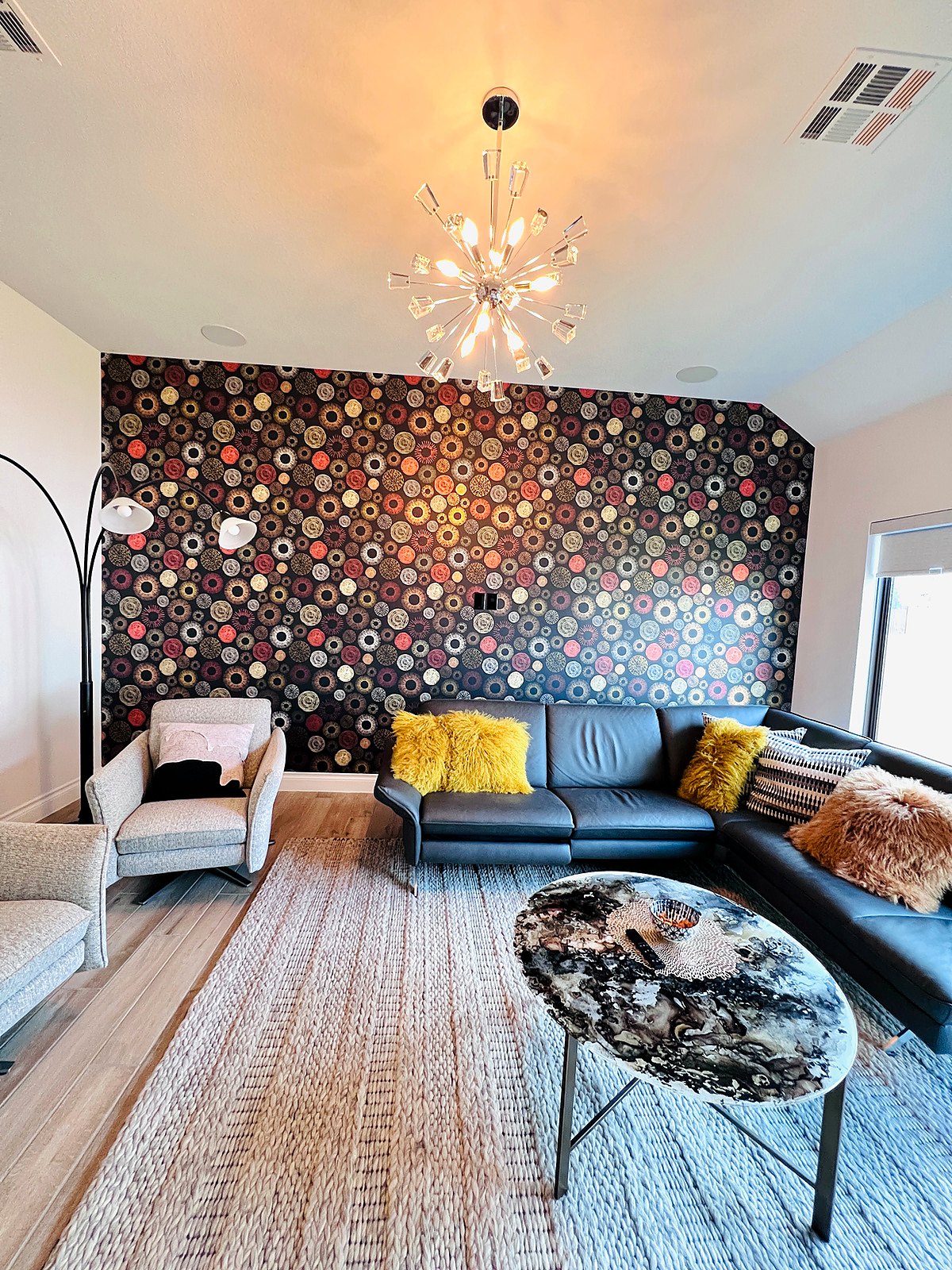
Bold patterns, large repeats, and murals take more planning. The installer has to match the pattern across every panel, which usually means ordering extra material and cutting with intention. A simple textured paper and a large-scale pattern are not the same job, even on the same wall.
4. The room itself
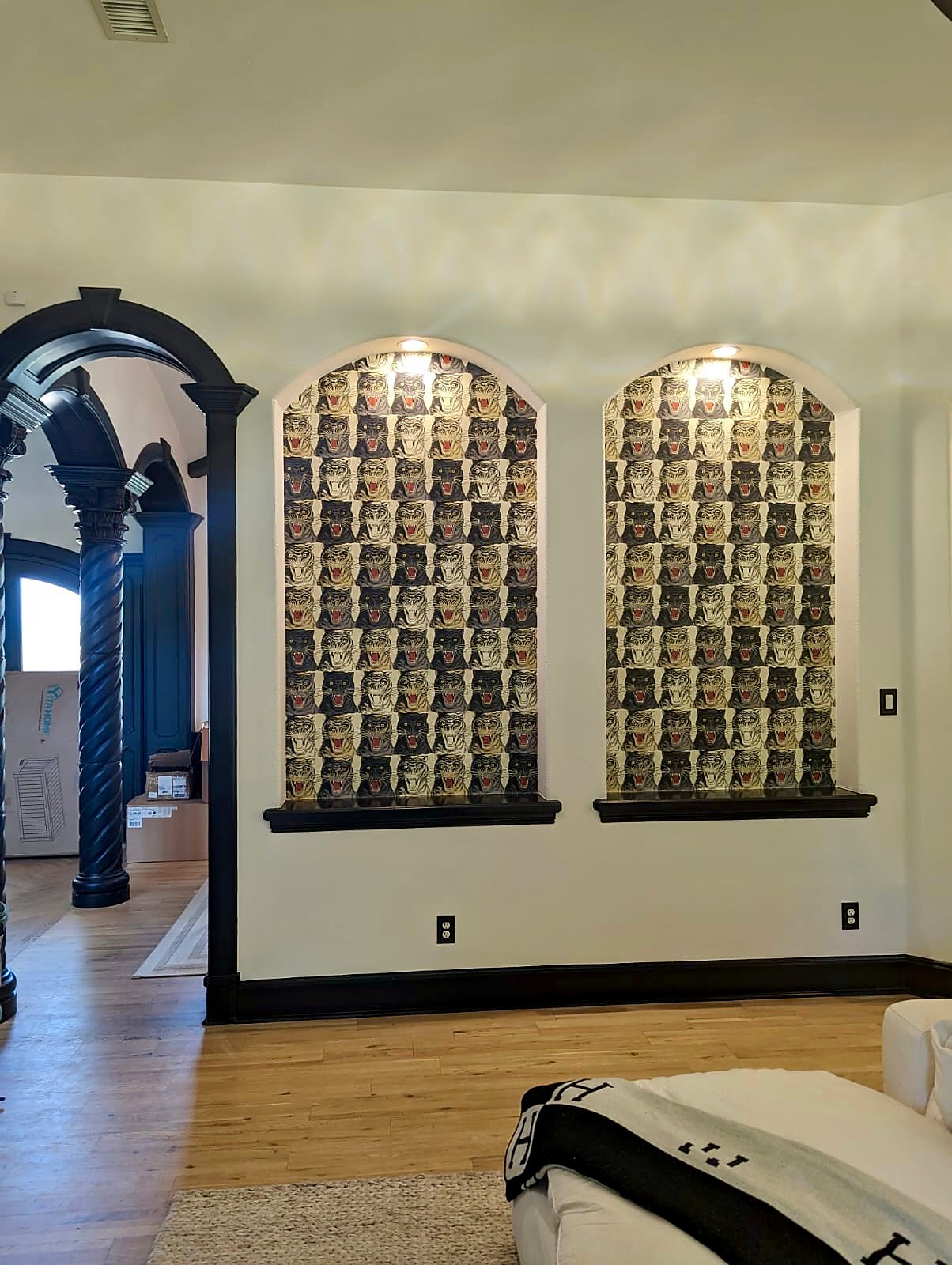
Ceiling height, stairwells, sloped ceilings, built-in niches, and the number of obstacles in a space all change the work. Some of the smallest rooms are the most detailed to wallpaper, with cuts around a vanity, toilet, pipes, and trim at every turn. See how we approach small spaces and tall or tricky rooms for more.
5. The scope of the project
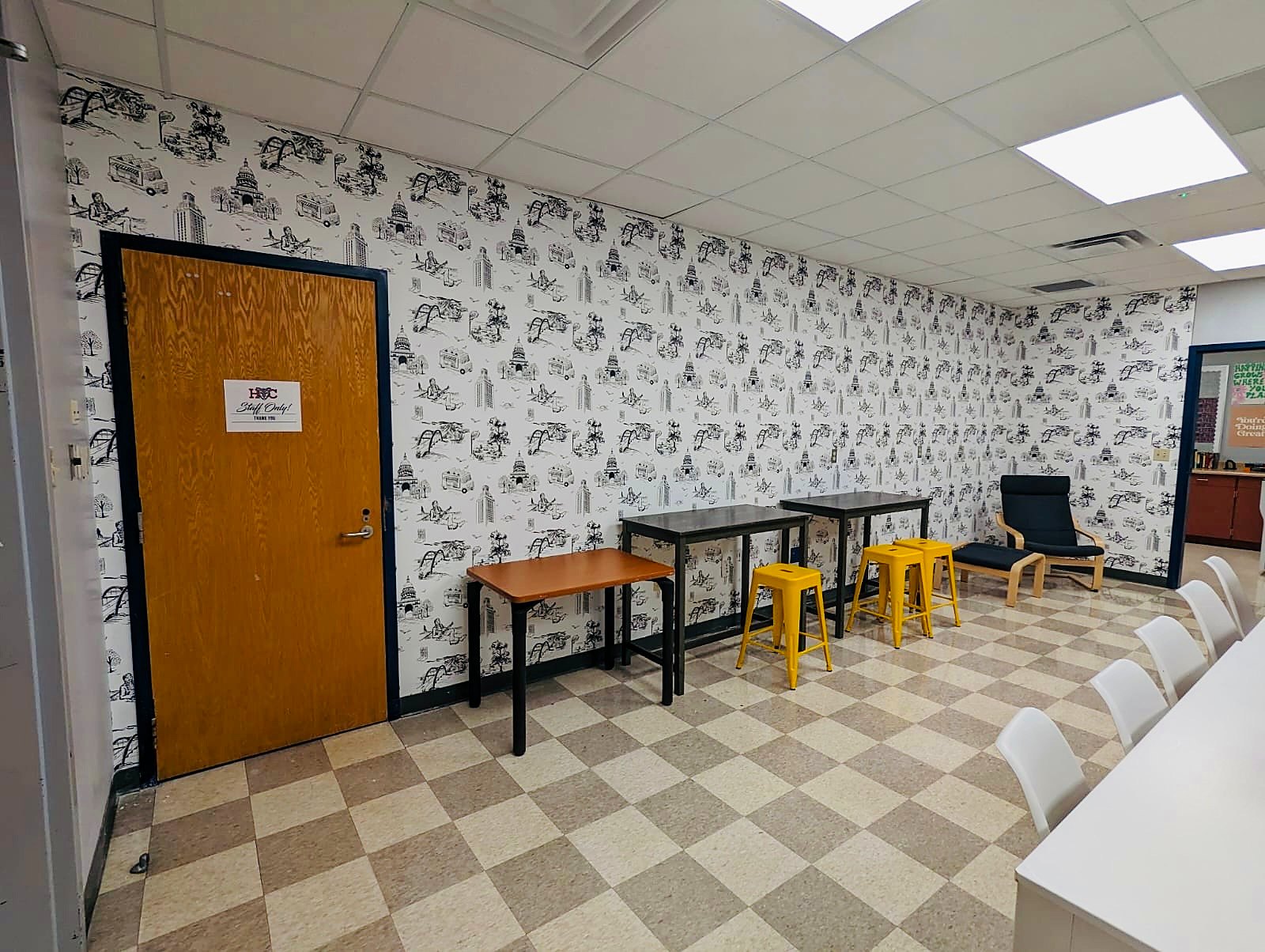
A single accent wall, a full room, a ceiling, trim, or an entire home are very different scopes. Commercial spaces add their own considerations, from restrooms and reception areas to scheduling around business hours. Our commercial and difficult installs page covers what we handle.
6. Removing existing wallpaper
If there is old wallpaper on the wall, it generally has to come off and the surface has to be repaired before new paper goes up. Removal takes time, and what is underneath determines how much repair is needed.
What to bring to a consultation: photos of the room, rough wall dimensions, ceiling height, any wallpaper you are already considering (or ideas you like), whether there is existing wallpaper, and your timeline. With that, we can talk through the project and scope it properly.
The most accurate number comes from a consultation
Because so many variables are specific to your home, the only way to get a number you can trust is to look at the space. In a consultation we talk through the material, assess the walls, and scope the work, so there are no surprises on installation day. Book a consultation or call 512-943-7683.